Wouter Dam (Case Study 1) #8
- adey1855
- Jun 14, 2023
- 2 min read

" The objects I create are minimalist at first glance, yet intriguing, leading your eye around the soft curves and sharp edges, pleasing in a meditative way, slightly hinting at classical ceramic shapes and plant structures. Every object I create is slightly different, each one a step in a long line of development, a subtle variation on the same theme. My search is for a very personal kind of perfection, I look for a certain tension in the work, beautiful and fascinating in equal measures.”
- Wouter Dam





Work Analysis
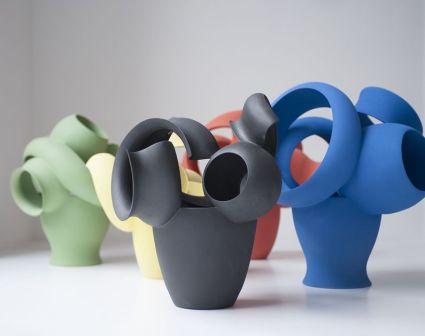
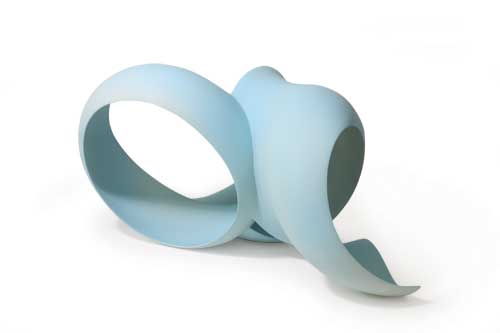
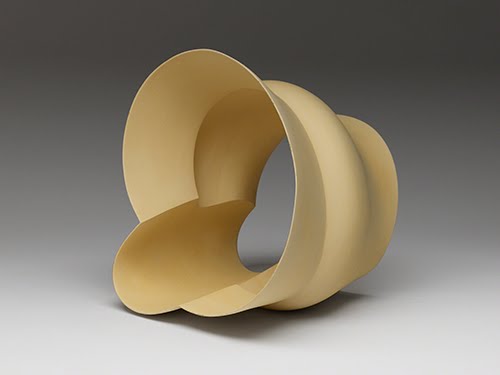
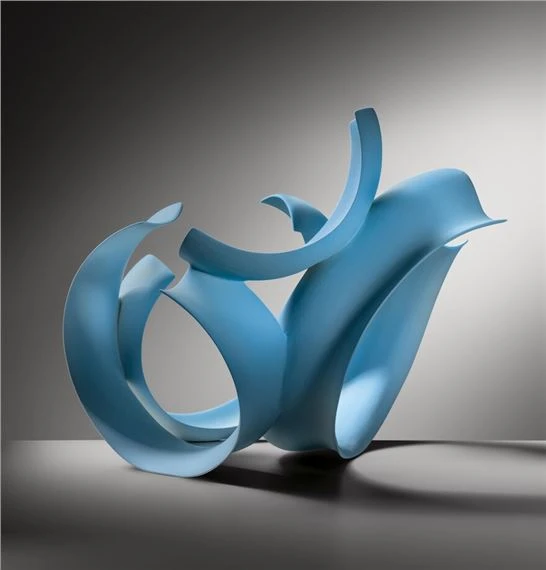
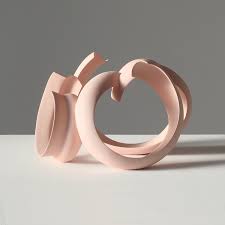
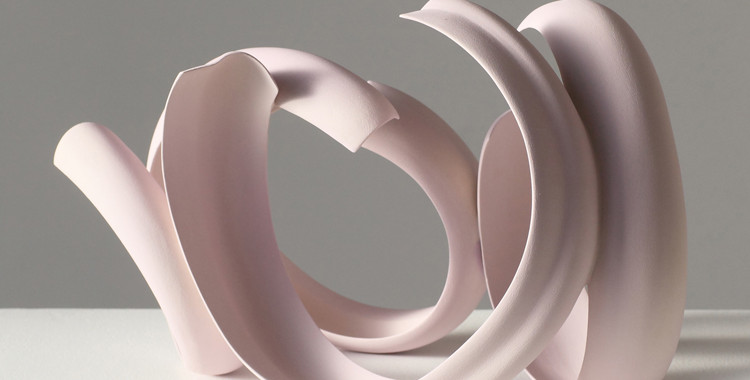
Dutch ceramic artist Wouter Dam begins his undulating and abstract sculptures on the wheel, although this might not be apparent at first glance. To create his finely-wrought, monochromatic ribbons of clay, the artist first throws 10 to 12 cylinders of different profiles, which he then cuts open and joins together, fabricating his way ahead. According to Ceramic Review, “twist and bend and flow, containing and enclosing space” is the kind of trait he is looking for while sculpting. Each piece is unique and evolves over time. Wouter approaches the work intuitively, working with the ribbons of clay, influenced by previous works and natural forms such as aquatic shapes and creatures, plant seeds and floral buds. He adds subtle color by way of matte pigments that are sprayed onto the surface to enhance shape and shadow. This suggests, although Wouter takes inspiration from nature; he manipulates and explores the shape and volume of an object using the principles of deconstruction.
Dam’s early works hint at the direction his oeuvre would take, although they maintained a functionality that his mature sculptures have abandoned. These vessel forms, began to break from the symmetry of the classical vases they were inspired by, still suggest a latent ability to contain. In contrast, David Pagel of The Los Angeles Times describes Dam’s later tabletop sculptures as “delightfully useless” forms that “articulate a radically different notion of beauty, in which oddness and exaggeration satisfy the needs once fulfilled by symmetry.” I strongly believe that this is where it would lead to if someone pushes the aesthetics beyond minimalism.
Dam reveals that in his work, he strives to impart “just a vague memory of the real thing, just a hint. Therefore, there should be enough room for the viewer to let his own imagination run free.” His sculptures make subtle reference to the classical forms mentioned above, as well as Neolithic and iron-age pots, the human body, wooden boats and the crashing of the waves themselves. The result is a marvelous and minimal blend of his source materials, and elegant objects that obey their own idiosyncratic logic.


Comments